
Why Local Eggs Matter and How To Decode The Labels on Egg Cartons
Why Your "Pasture-Raised" Eggs Might Not Be What You Think
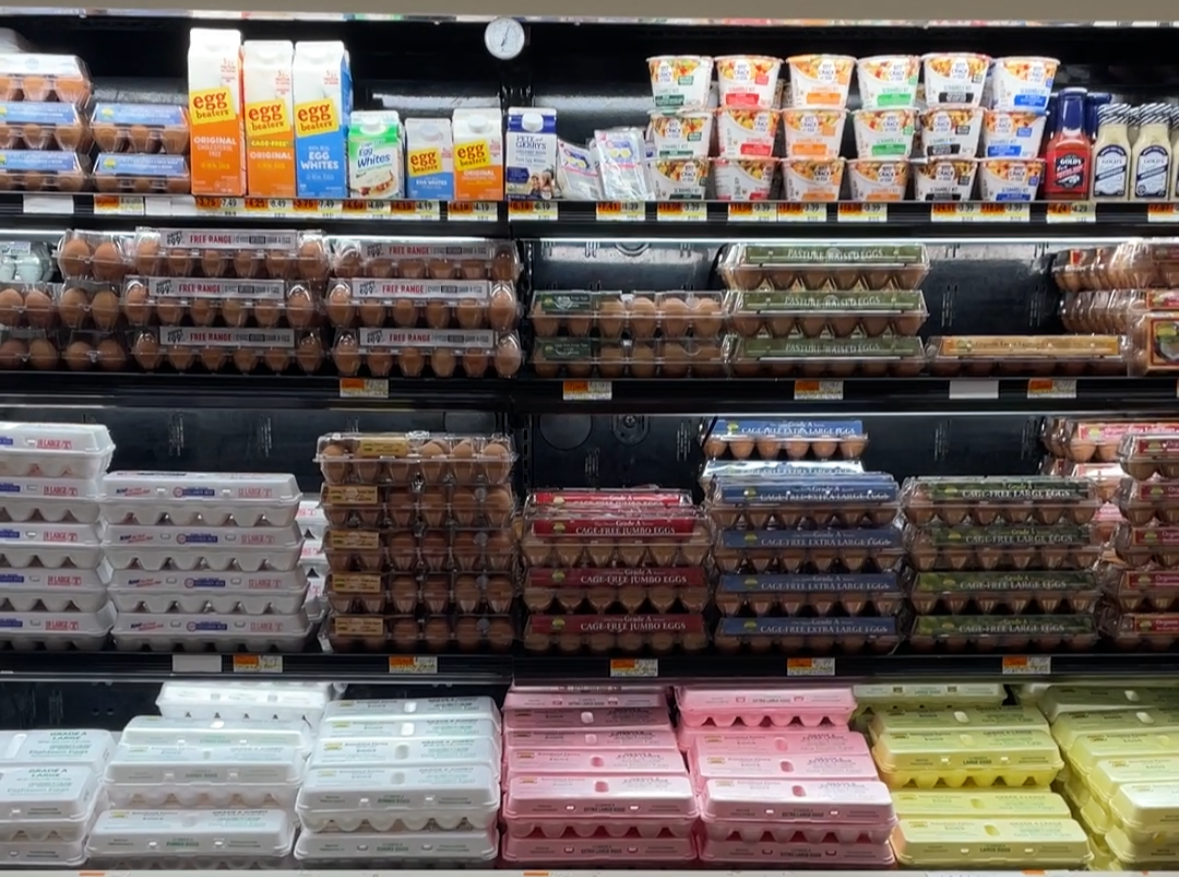
One of my biggest pet peeves is the labeling on grocery store eggs. We're out here trying to make better choices for ourselves and our families — and the food industry makes it as confusing as possible. The egg aisle is one of the most frustrating.
The "Pasture-Raised" Problem
"Pasture-raised" sounds like the gold standard. You picture happy hens roaming open fields, pecking at grass and bugs in the sunshine. And while that image isn't entirely wrong, it's far from the full story.
Here's what the label actually tells you: where the chicken lives. It says nothing about what it eats. And that distinction matters enormously.
The truth is that most commercially sold pasture-raised eggs — even from well-known, premium brands — are still supplementally fed corn and soy-based feed. This isn't a secret. Some brands openly confirm it. The "pasture-raised" label is regulated by living conditions, not diet. So while those hens may have more outdoor access than a caged hen, their nutritional profile can still look a lot like a conventional egg.
The Egg Controversies You May Have Heard About
If you've been paying attention to food news lately, two big stories brought this issue into the mainstream — and they're worth knowing about.
The first involves Pete & Gerry's Organics, the parent company of Nellie's Free Range Eggs. Video footage from a Nellie's egg supplier revealed that around 20,000 hens were crammed into a single crowded shed with severely restricted access to the outdoors — nothing like the lush pastures on the carton. A federal class action lawsuit followed, and the court ruled this kind of marketing was misleading to consumers.
The second story involves Vital Farms — one of the most recognized "pasture-raised" brands in the country. Fatty acid testing conducted in collaboration with Michigan State University showed that two of their organic eggs contain roughly the same amount of linoleic acid — an omega-6 PUFA found in seed oils — as a tablespoon of canola oil. Why? Because their hens are fed corn and soy. And that same issue extends to other premium brands like Happy Egg Co., Nellie's, and Pete & Gerry's. Most eggs sold at the grocery store use similar feed regardless of how they are labeled, due to murky regulations.
These aren't shady back-alley brands. These are the premium options most health-conscious shoppers are reaching for. That's the point.
Why Feed Matters More Than You Think
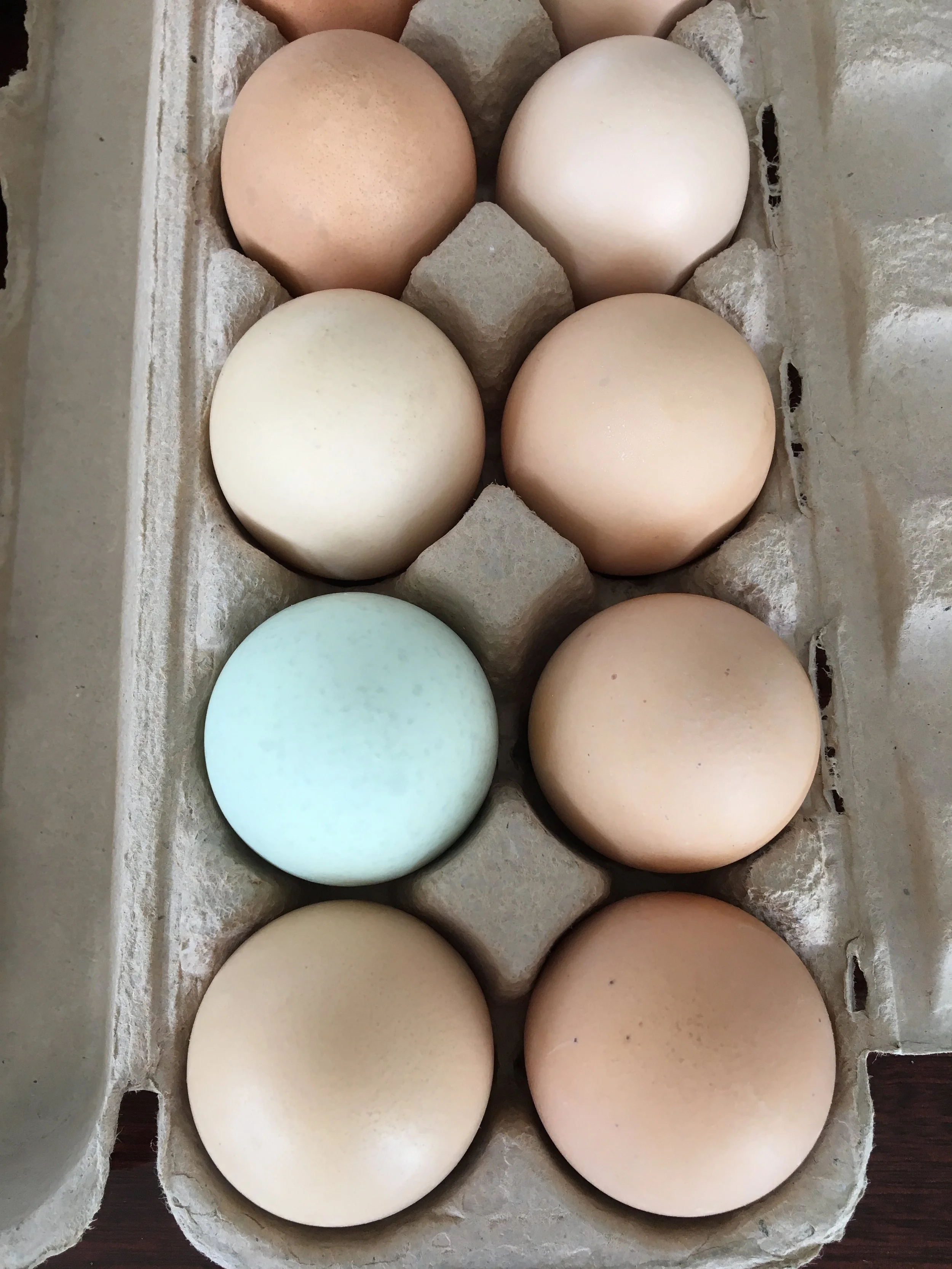
Here's the science in plain terms: the fats a chicken eats become the fats in your egg. Corn and soy are high in omega-6 polyunsaturated fatty acids (PUFAs) — the same inflammatory fats found in industrial seed oils like canola and vegetable oil. When hens eat a diet heavy in these ingredients, those fats are passed directly into the yolk.
A cleaner-fed hen produces an egg with a significantly better omega-3 to omega-6 ratio, higher levels of fat-soluble vitamins like A, D, E, and K2, and more antioxidants like carotenoids. You really are what your chicken eats.
What Do All Those Labels Actually Mean? A No-BS Guide
This is where it gets maddening. Here's what every label at the grocery store actually means — and what it doesn't.
No label at all — Conventional / Factory Farmed. If a carton has no welfare claims, those eggs came from an industrial factory farm. Hens are packed into battery cages so small they can't spread their wings, fed industrial corn and soy, with no outdoor access and no ability to express any natural behavior whatsoever. This is the bottom of the barrel — and the baseline every other label is trying to distinguish itself from.
"Natural" Virtually meaningless. Under the USDA, the "natural" label is about how the food is processed and does not include any definitions for how the hens are cared for on the farm. Every plain egg qualifies as "natural." Don't be swayed by it.
"Hormone Free" / "Antibiotic Free" is also mostly meaningless as a differentiator. Federal regulations have banned the use of growth hormones in poultry since the 1950s, so labels that say "no hormones" are just trying to make you think other farmers may be using them. It's a marketing tactic, not a meaningful distinction.
"Vegetarian Fed." This one sounds good, but it is actually a red flag once you understand chicken biology. Chickens are not naturally vegetarians — they are omnivores who eat worms, bugs, and insects. A "vegetarian-fed" label usually means the hens never went outside and had no access to their natural diet. It's often a sign of a more confined operation, not a better one.
"Cage Free" is a small step up from conventional, but don't picture open fields. Cage-free simply means the hens are not kept in individual cages — but they can still be packed by the thousands into large windowless sheds with no outdoor access, no sunlight, and no ability to forage. A low bar, barely cleared.
"Free Range" is one of the most misleading labels on the shelf. The USDA considers just five minutes of open-air access per day sufficient to qualify, and free-range claims on eggs aren't meaningfully regulated at all. In reality, the "outdoor space" can be a small concrete porch that fits only a handful of hens out of hundreds of thousands. Free range does not regulate diet, space per bird, or time spent outdoors in any meaningful way.
"Organic" is better than conventional in some ways, but still widely misunderstood. Organic means the hens were fed grains grown without synthetic pesticides or GMOs. Most importantly, organic says nothing about corn and soy. Organic soybeans contain the same inflammatory linoleic acid as conventional ones, meaning an organic egg can still have a fatty acid profile nearly identical to a factory-farmed egg.
"Pasture Raised" is the best mainstream label available — but still not regulated by the USDA in any meaningful way. Anyone can put it on a carton. As covered above, most commercially pasture-raised hens are still fed corn and soy as their primary supplemental feed. The label tells you about living conditions, not diet. Without a corn-and-soy-free designation alongside it, the nutritional profile may still disappoint.
"Pasture Raised + Corn & Soy Free" Now we're talking. This combination is the closest thing to a trustworthy grocery store label. It means the hens had genuine outdoor access and were fed a cleaner diet — resulting in better fat ratios, more nutrients, and less inflammatory omega-6 load. Harder to find and more expensive, but the real deal when local isn't an option.
Third-Party Certifications — Do They Help? Labels like Certified Humane, Animal Welfare Approved, and American Humane Certified do add a layer of accountability through third-party audits and more specific standards. They're worth looking for — but even these don't regulate feed, so a Certified Humane pasture-raised egg can still come from a corn-and-soy-fed hen.
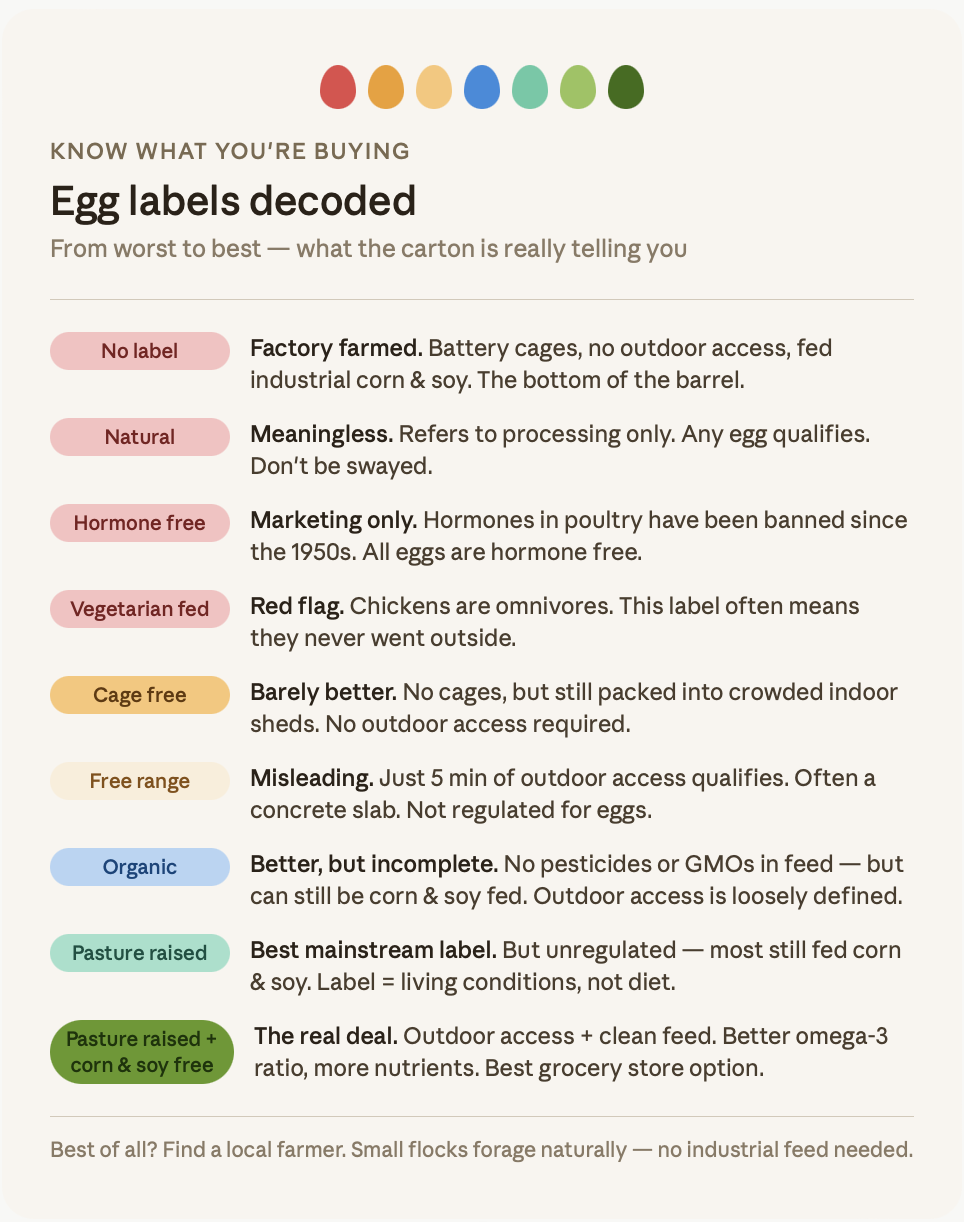
Save this cheat sheet to bring with you to the store to decode the labels.
What Should You Look For?
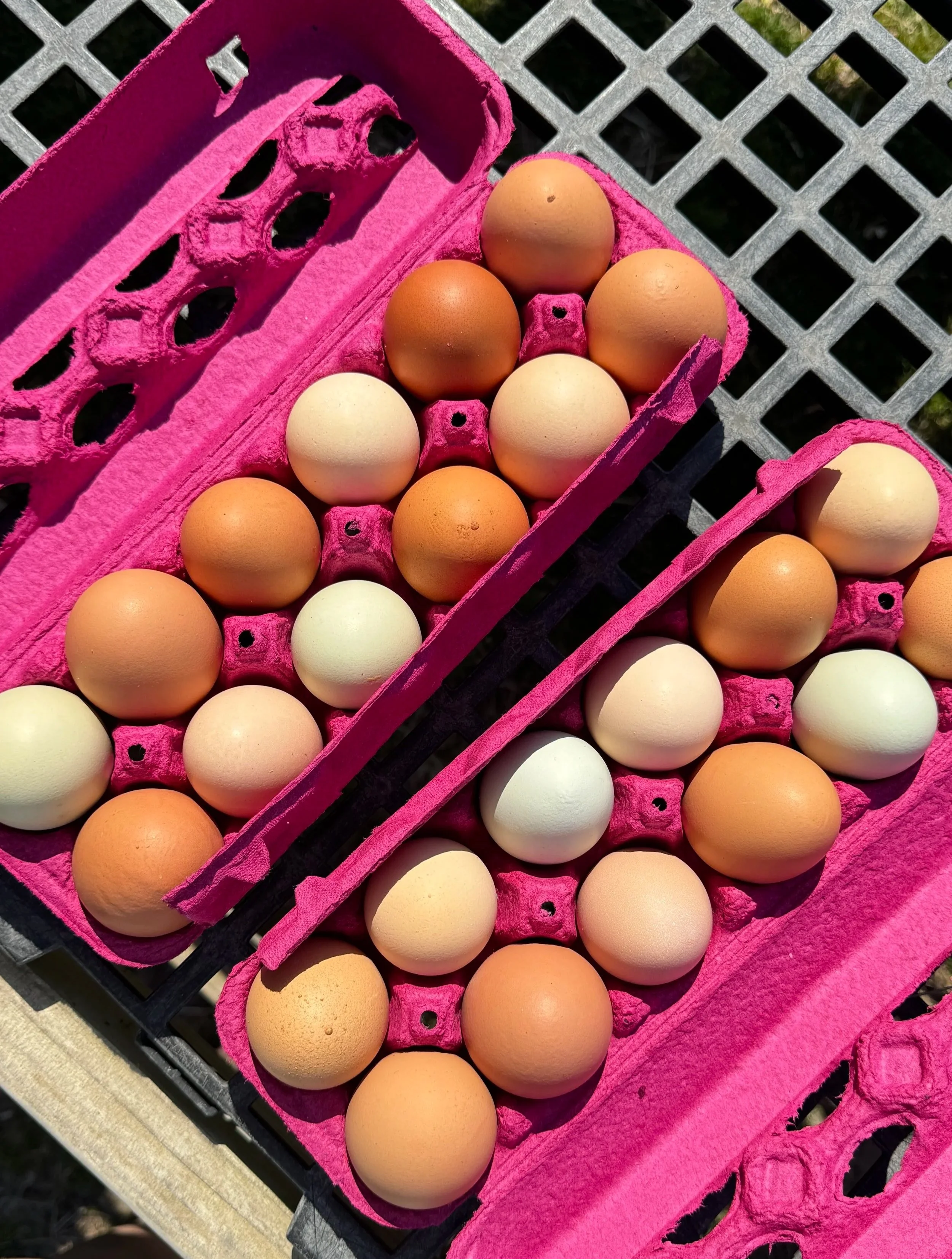
Best option — Local eggs from a small farm. This is the gold standard. Small local flocks aren't mass-producing eggs, which means they don't rely on industrial supplemental feed to meet output demands. These hens are genuinely outside — foraging through grass, eating bugs, worms, and whatever nature provides. Visit a farmers market, find a neighbor with backyard hens, or look up local farms in your area. Ask questions. Good farmers love talking about how they raise their animals.
Second best — Pasture-raised AND corn & soy free. If local isn't accessible, this label combination is the next best thing. It means the hens had outdoor access AND were fed a cleaner diet. This is harder to find and often pricier, but it's worth it when local isn't an option.
The Bottom Line
Not all eggs are created equal, and the grocery store labeling system isn't designed to help you figure that out. "Pasture-raised" is better than conventional — but it's not the whole picture. Feed matters. Sourcing matters. And knowing where your food comes from matters most of all.
Do a little digging, find a local source when you can, and read labels carefully when you can't. Your eggs — and your body — will thank you.
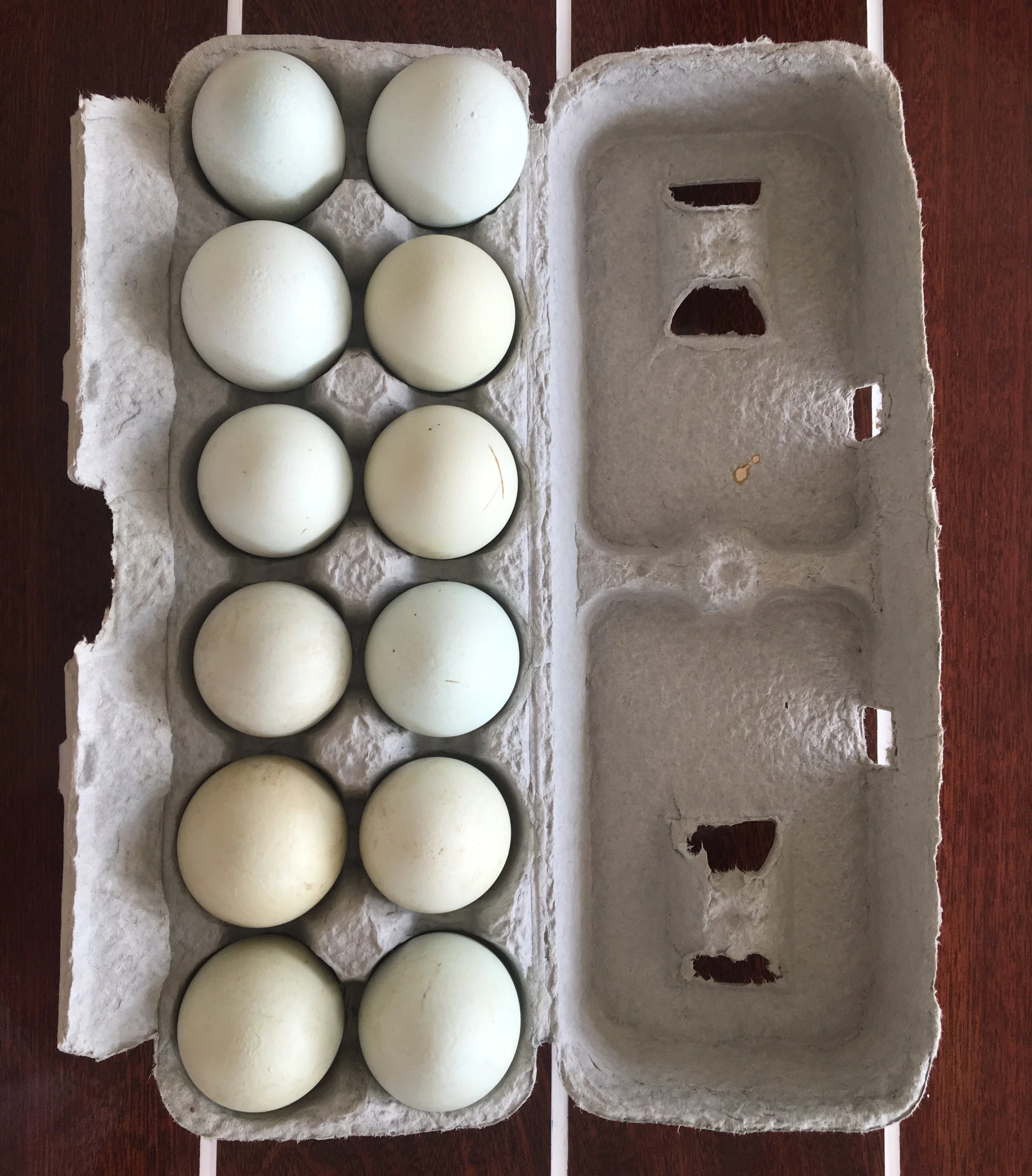
Local Eggs
8 hands
Deep roots
Sylvester Manor
North Fork Farm Fresh Eggs
Treiber Farms
Browders Birds
Lil Farm Stand
Sunny Side Up Nofo