10 Science-Backed Reasons Yoga Is Good for You
Yoga is often seen as a way to stretch, relax, or “slow down,” but the truth is that yoga is a powerful, evidence-based practice that supports the body and mind in profound ways. Modern research continues to confirm what yogis have known for thousands of years: yoga improves physical health, mental well-being, and overall quality of life.
Below are 10 science-backed reasons why yoga is one of the most effective practices you can add to your routine.

1. Yoga Reduces Stress and Cortisol Levels
One of yoga’s most well-known benefits is stress reduction. Yoga activates the parasympathetic nervous system — the “rest and digest” state — which helps counteract chronic stress. Studies show that regular yoga practice can lower cortisol, the body’s primary stress hormone.
Lower stress levels don’t just feel good; they also support immune function, hormone balance, digestion, and mental clarity.
2. Improves Flexibility and Joint Mobility
Yoga gently lengthens muscles and increases joint range of motion. Over time, this improved mobility helps reduce stiffness, enhances daily movement, and lowers the risk of injury.
Unlike aggressive stretching, yoga emphasizes mindful, controlled movement — allowing flexibility to increase safely and sustainably.
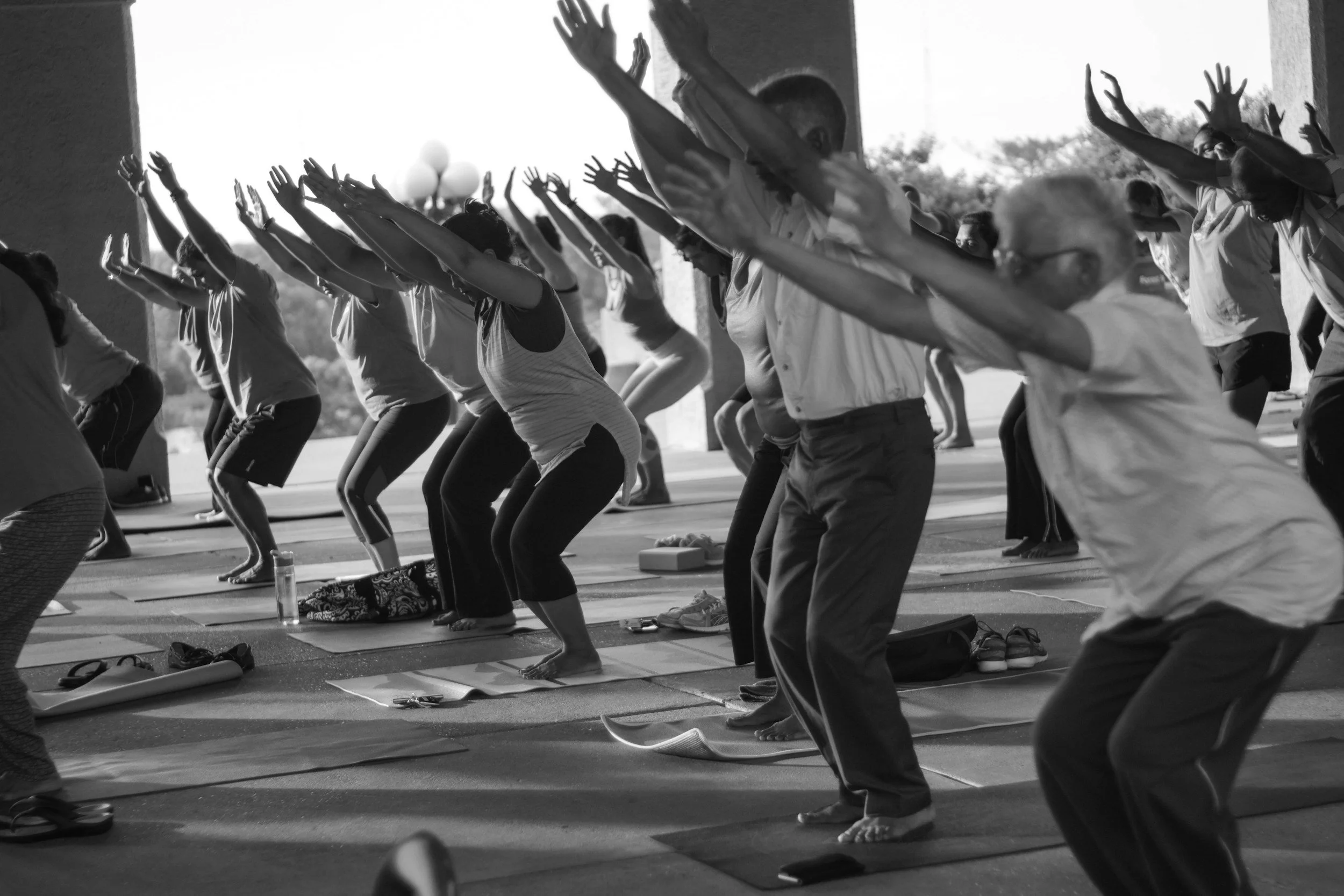
3. Builds Functional, Full-Body Strength
Yoga uses bodyweight resistance to strengthen muscles throughout the entire body. Poses like Plank, Chaturanga, Chair, and Warrior variations build strength in the arms, legs, glutes, and core.
This type of functional strength supports joints, improves posture, and translates directly to better movement in everyday life.
4. Supports Bone Density and Bone Health
Many yoga poses are weight-bearing, meaning they place healthy stress on the bones. This stimulation signals the body to maintain or build bone density, which is especially important as we age.
Research suggests that consistent yoga practice may help slow bone loss and support skeletal health, making it a valuable tool for osteoporosis prevention.

5. Improves Posture and Spinal Health
Modern lifestyles often lead to rounded shoulders, forward head posture, and back pain. Yoga strengthens the muscles that support the spine while improving spinal mobility and alignment.
By balancing strength and flexibility, yoga helps relieve tension in the neck and back and encourages healthier posture both on and off the mat.
6. Enhances Balance and Coordination
Balance poses improve proprioception — your body’s ability to sense where it is in space. This enhanced neuromuscular awareness improves coordination and stability.
Better balance reduces fall risk, improves athletic performance, and supports graceful movement as we age.

7. Improves Breathing and Lung Function
Pranayama, or yogic breathing, strengthens respiratory muscles and improves oxygen efficiency. Conscious breathing practices can increase lung capacity and enhance oxygen delivery throughout the body.
Improved breathing also plays a key role in nervous system regulation, helping reduce anxiety and increase focus.
8. Supports Heart Health
Research shows that yoga can positively impact cardiovascular health. Regular practice has been linked to lower blood pressure, reduced inflammation, improved cholesterol levels, and increased heart rate variability — a marker of nervous system resilience.
Yoga supports heart health not just through movement, but through stress reduction and breath regulation.

9. Improves Mental Health and Emotional Regulation
Yoga has been shown to reduce symptoms of anxiety and depression while improving mood and emotional resilience. By combining movement, breath, and mindfulness, yoga helps regulate the nervous system and calm the mind.
This mind-body connection supports greater self-awareness and emotional balance both on and off the mat.
10. Improves Sleep Quality
Yoga helps quiet the nervous system, making it easier to fall asleep and stay asleep. Gentle movement, breathwork, and relaxation techniques signal safety to the body, which is essential for deep rest.
Consistent yoga practice has been linked to improved sleep duration and quality, especially for people experiencing stress or insomnia.

Yoga Is More Than a Workout
Yoga is not just about flexibility or relaxation — it is a holistic, science-supported practice that strengthens the body, protects long-term health, and supports mental well-being.
Whether you practice yoga for strength, stress relief, bone health, or emotional balance, the benefits extend far beyond the mat.
Yoga meets you where you are — and supports you as you grow.
Asana Is Just One Limb of Yoga
While much of modern yoga focuses on asana, or the physical postures, it’s important to remember that asana is only one of the eight limbs of yoga outlined in the Yoga Sutras of Patanjali. The physical practice was never intended to be a workout in the conventional sense. Instead, asana was designed to prepare the body for stillness.
The true purpose of the postures is to build a body that is strong, stable, and comfortable enough to sit for meditation without pain or distraction. Through asana, we cultivate balance, mobility, strength, and awareness — not to exhaust the body, but to remove physical obstacles to presence and focus. When the body can sit with ease, the breath can deepen, the mind can settle, and the deeper practices of yoga — breath control, concentration, and meditation — can unfold naturally.
In this way, the physical practice becomes a gateway, not the destination. Asana supports the body so that the deeper limbs of yoga can be accessed, reminding us that yoga is ultimately a practice of awareness, not just movement.