
How to Detox Your Life: Reducing Your Daily Toxic Load
When we talk about detoxing, it’s important to shift the narrative away from short-term cleanses and toward daily exposure reduction. Your body is constantly detoxifying—but modern life introduces more chemical, environmental, and inflammatory stressors than our systems were designed to handle.
True detoxification happens when we reduce what overwhelms the body and support the organs—especially the liver—that process and eliminate toxins. As a certified health coach and personal trainer, I focus on sustainable changes that support long-term health, hormone balance, and energy.
Detoxing your life starts in three main places: what you put in your body, what you put on your body, and what you surround yourself with.

1. What You Put In Your Body
(Food, Drinks, and How You Prepare Them)
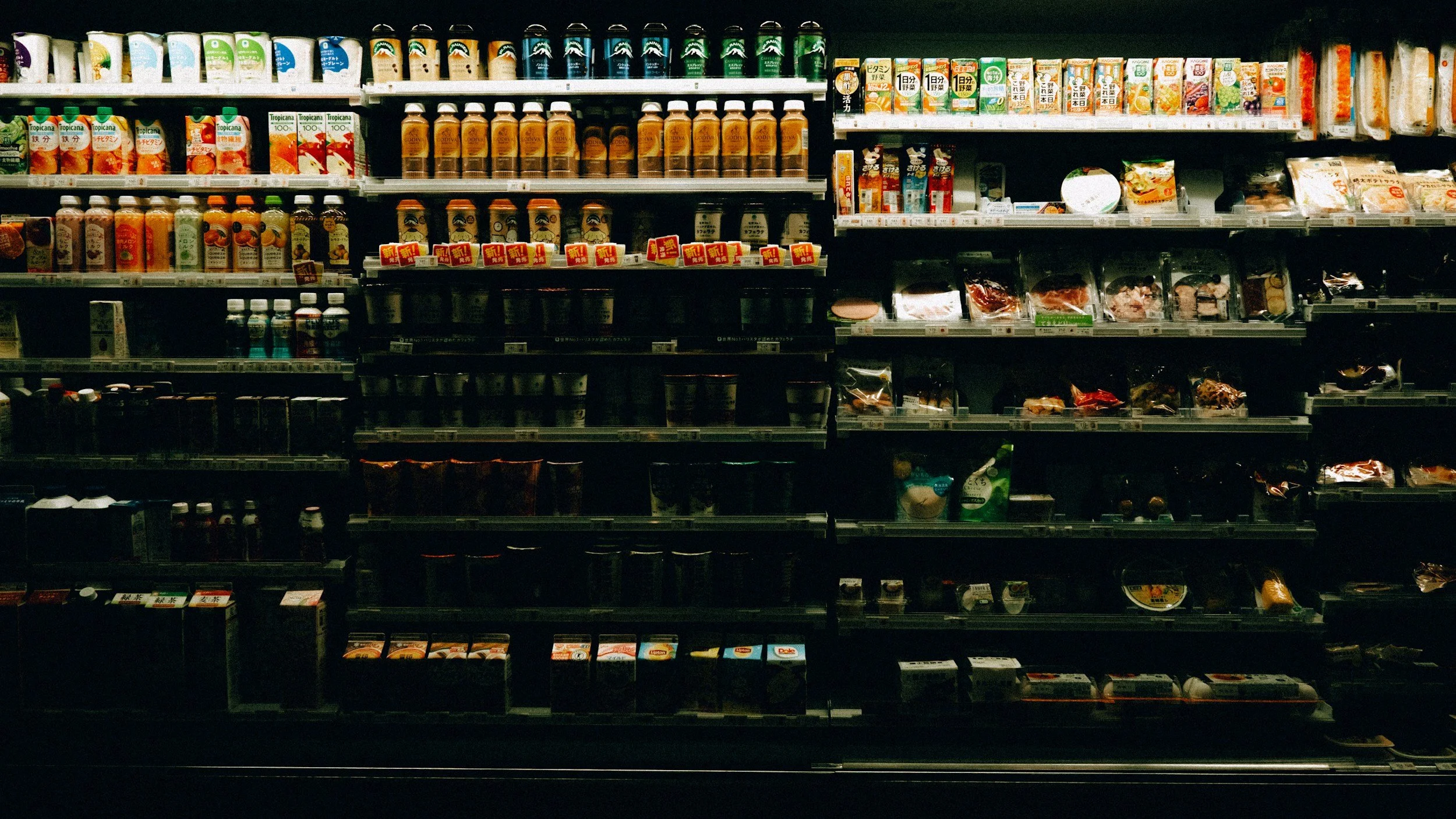
Food is one of the biggest daily sources of toxic exposure—often hidden behind “healthy” marketing. Ultra-processed foods, even those labeled organic, gluten-free, or plant-based, can contain ingredients that stress the gut, liver, and endocrine system.
When reading labels, be mindful of:
Seed oils (canola, soybean, sunflower, safflower, corn oil), which are highly processed and inflammatory
Artificial colors and dyes (Red 40, Yellow 5, Blue 1), many of which are linked to metabolic and behavioral concerns
Preservatives such as BHA, BHT, sodium benzoate, and potassium sorbate
“Natural flavors”, a vague term that can hide dozens of chemical compounds
Added sugars under multiple names (corn syrup, rice syrup, maltodextrin)
Even foods marketed as “healthy”—protein bars, dairy alternatives, granolas, and packaged snacks—can quietly contain these ingredients. Detoxing what you put in is about choosing whole foods with short, recognizable ingredient lists and reducing the cumulative chemical burden on your body.
Don’t Forget How You Cook, Cut, and Store Your Food
Detoxing your diet isn’t just about the food itself—it’s also about what your food comes into contact with.
Common sources of hidden exposure include:
Nonstick cookware, which can release PFAS (“forever chemicals”) when heated or scratched
Plastic cutting boards, which shed microplastics into food over time
Plastic food storage containers and wraps, especially when used with heat or acidic foods
Aluminum cookware or foil, which can leach into food under certain conditions
Over time, these exposures add to the liver’s workload. Choosing safer alternatives—like stainless steel, cast iron, glass, ceramic, and wood—helps lower daily toxic input without changing what you eat.
Hydration matters here too. Drinking filtered water and storing beverages in glass or stainless steel can reduce exposure to microplastics and chemical contaminants commonly found in plastic bottles.
(separate kitchen detox blog coming soon)

2. What You Put On Your Body
(Skincare, Makeup, Hair Care, Clothing)
Your skin absorbs much of what you apply to it, which means personal care products can directly impact hormones and detox pathways. Many conventional products contain endocrine disruptors—chemicals that interfere with hormone signaling—even at low doses.
Common ingredients of concern include:
Fragrance/parfum (often a cocktail of undisclosed chemicals)
Phthalates (linked to hormone disruption and fertility issues)
Parabens (preservatives that mimic estrogen)
Formaldehyde-releasing preservatives found in hair and nail products
Synthetic dyes and heavy metals in makeup
Clothing also plays a role. Synthetic fabrics like polyester, nylon, and spandex are often treated with chemical finishes, flame retardants, and dyes—and they shed microplastics that can be absorbed through the skin or inhaled.
Detoxing this area doesn’t mean perfection. It means becoming a conscious consumer, swapping products slowly, and choosing cleaner formulations and natural fibers when possible.
(separate clothing detox blog coming soon)

3. Your Environment
(Home, Furniture, Air, Fragrance)
Your home should be a place of restoration—but for many people, it’s a major source of toxic exposure. Indoor air can be more polluted than outdoor air due to poor ventilation and chemical off-gassing.
Key environmental toxins include:
Household cleaners containing ammonia, chlorine, synthetic fragrance, and VOCs (volatile organic compounds)
Air fresheners, candles, and plug-ins, which release hormone-disrupting chemicals into the air
Furniture and flooring treated with flame retardants, stain repellents, and adhesives
Many couches, mattresses, cabinets, and pressed-wood furniture contain formaldehyde, a known carcinogen, and PFAS (“forever chemicals”), which do not break down in the body or environment and place a heavy burden on the liver.
Paints, rugs, and flooring can also off-gas VOCs for months or even years. Improving air flow, choosing low-VOC materials, and removing artificial fragrance can dramatically lower your daily exposure.
(separate home detox blog coming soon)

Supporting Your Body’s Natural Detox Systems
(With a Focus on the Liver)
Your liver is your primary detox organ—it filters blood, breaks down hormones, processes chemicals, and prepares toxins for elimination. When exposure is high and support is low, detox pathways slow down.
Ways to support liver function naturally include:
Adequate protein intake, which provides amino acids needed for detoxification
Bitter foods and cruciferous vegetables that support liver enzymes
Proper hydration to assist elimination
Regular movement and strength training to improve circulation and lymphatic flow
Quality sleep and stress management, which are essential for hormonal balance
Detox is not about forcing the body—it’s about removing obstacles and providing support so your systems can function efficiently.

Final Thoughts
Detoxing your life is about reducing the invisible stressors that quietly accumulate over time. By becoming aware of what you consume, apply, and live among—and by supporting your liver and detox pathways—you create the conditions for better energy, hormone balance, and long-term health.
This is a gradual process, not an all-or-nothing approach. Start with awareness, make intentional swaps, and trust that small changes compound into meaningful results.